




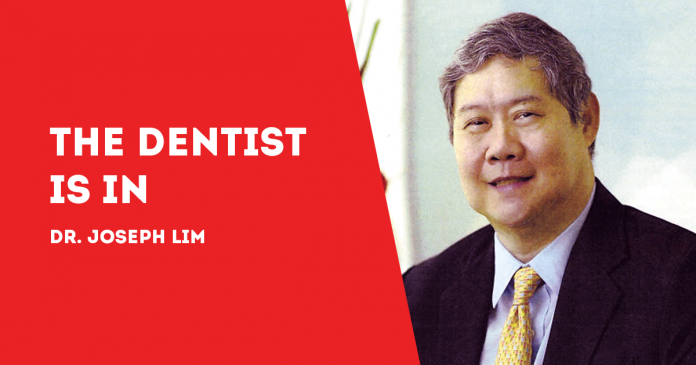
AS WE move deeper into the 2020s, oral health and dentistry are undergoing rapid transformation.
It is driven by innovation, shifting patient expectations, and a broader understanding of the connection between oral health and overall well-being.
In 2026, these forces are converging to reshape how dental care is delivered, experienced, and valued.
A defining trend this year is the continued integration of advanced technology into everyday dental practice.
Digital dentistry — including intraoral scanners, 3D printing, and computer-aided design/manufacturing (CAD/CAM) systems — is now more widespread, enabling dentists to produce custom crowns, bridges, aligners, and other restorations with unprecedented speed and precision.
Clinics can often complete complex treatments in a single visit, dramatically reducing treatment time and improving patient comfort.
Artificial intelligence (AI) is another cornerstone of modern dental care in 2026. AI-driven tools are helping dentists detect cavities, gum disease, bone loss, and even early signs of oral cancer with greater accuracy than human assessment alone. These algorithms analyze radiographs and 3D scans to spot patterns that might otherwise go unnoticed, leading to earlier intervention and better outcomes.
Alongside technological advances, teledentistry continues to expand, making preventive care, consultation, and follow-up more accessible — especially for patients in remote or underserved areas.
Remote assessments, digital oral health screenings, and even AI-assisted monitoring help bridge gaps in access and empower patients to take a more proactive role in their oral health.
Another crucial shift for 2026 is the reframing of dental care as part of overall health. Dentists and specialists increasingly emphasize how oral conditions are linked to systemic issues like heart disease, diabetes, and cognitive decline.
Some practices are even branding themselves as “dental longevity clinics,” offering comprehensive imaging, saliva tests, and wellness-oriented services that connect oral health to broader quality-of-life goals.
Despite these advances, challenges persist — particularly in encouraging routine care among younger adults. Recent reporting highlights that a significant portion of individuals aged 18 to 35 are skipping dental visits, prompted by financial barriers, loss of insurance, and misinformation online.
Dentists are responding by using social media, educational content, and community outreach to stress the long-term consequences of neglecting oral health.
Sustainability has emerged as a priority, too. Clinics are adopting eco-friendly practices, from digital records that reduce paper waste to biodegradable tools and water-saving technologies. \
Patients are increasingly asking for greener options, which can also help practices reduce costs and attract environmentally conscious clients.
Innovations in dental materials and regenerative medicine are gaining traction as well. Research into bioactive and biomimetic materials — including experimental treatments that mimic natural enamel regeneration — points toward a future where restorative care is not just functional but also biologically integrated.
Year 2026 represents a pivotal moment for dentistry — one defined by innovation, inclusivity, and a broader vision of oral health as integral to overall wellness.
As technology and patient-centered care advance hand in hand, the dental landscape is becoming smarter, more accessible, and more responsive to the evolving needs of communities around the globe.
***
Dr. Joseph D. Lim, Ed. D., is the former Associate Dean of the College of Dentistry, University of the East; former Dean, College of Dentistry, National University; Past President and Honorary Fellow of the Asian Oral Implant Academy; Honorary Fellow of the Japan College of Oral Implantologists; Honorary Life Member of the Thai Association of Dental Implantology; and Founding Chairman of the Philippine College of Oral Implantologists. For questions on dental health, e-mail jdlim2008@gmail.com or text 0917-8591515.
***
Dr. Kenneth Lester Lim, BS-MMG, DDM, MSc-OI, graduated Doctor of Dental Medicine, University of the Philippines, College of Dentistry, Manila, 2011; Bachelor of Science in Marketing Management, De la Salle University, Manila, 2002; and Master of Science (MSc.) in Oral Implantology, Goethe University, Frankfurt, Germany, 2019. He is an Associate Professor; Fellow, International Congress of Oral Implantologists; and Fellow, Philippine College of Oral Implantologists. For questions on dental health, e-mail limdentalcenter@gmail.com./PN


