



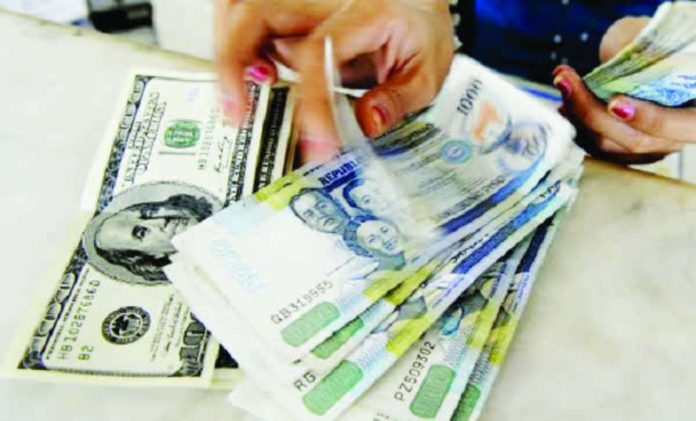
THE PHILIPPINE peso is likely to remain under pressure early next year before strengthening later on, as uncertainty over the pace of interest rate cuts in the US and persistent geopolitical tensions may pose the main risks to the currency.
The peso closed 2025 at 58.79 to the dollar on Dec. 29, down 1.6 percent from its end-2024 level, though well off the record low of 59.22 reached on Dec. 8.
That slide came amid slowing economic growth and intensifying political fallout that has dented business confidence.
After data showed the economy expanding just 4 percent in the third quarter — its weakest pace in more than four years — President Marcos’ economic team acknowledged that official macroeconomic targets may need to be revised to account for strains linked to the administration’s antigraft drive.
External pressures also weighed on the peso this year, with uncertainty over the trajectory of US monetary easing and higher tariffs adding to volatility in emerging-market currencies.
“The peso will likely stay under pressure early next year as global uncertainty and US rate cuts unfold slowly,” Jonathan Ravelas, senior adviser at Reyes Tacandong & Co., said in an interview. “Expect it to trade in the 58 to 61 range, with volatility tied to tariff, oil and geopolitical risks.”
A weaker peso carries mixed consequences for the Philippines.
It boosts the domestic value of remittances sent home by millions of overseas workers and could help make Filipino exports more competitive. But it also risks driving up import costs and reigniting inflation.
Prolonged depreciation could likewise inflate the peso value of foreign debts held by the government and private firms.
Already, the latest central bank data show that banks’ foreign currency–denominated loans fell 5 percent in the third quarter to $15.13 billion, while foreign currency deposits rose 5.7 percent. The shift suggests borrowers are paring back dollar loans to limit foreign-exchange risk, even as savers build up their holdings to capitalize on the peso’s weakness.
The Bangko Sentral ng Pilipinas has signaled that it will allow market forces to determine the exchange rate, intervening only if a sustained downturn threatens to fuel imported inflation rather than to smooth out day-to-day volatility. (Ian Nicolas P. Cigaral © Philippine Daily Inquirer)